
Thruxton Airfield History
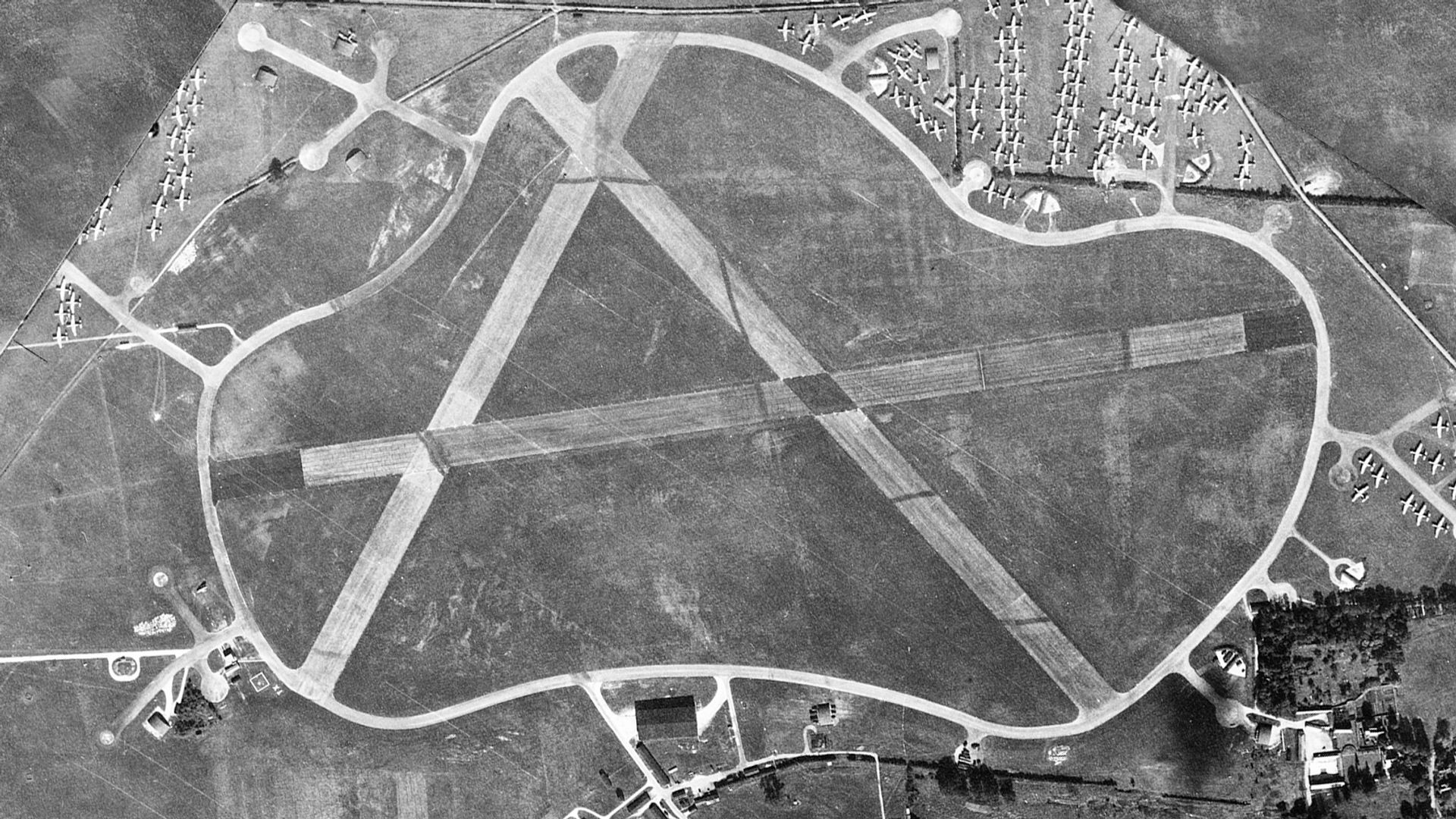
From its beginnings as a Second World War airfield to becoming one of the UK’s most distinctive motor racing circuits, Thruxton has a remarkable history spanning more than eight decades. Since racing first arrived in 1950, the Hampshire venue has welcomed some of motorsport’s greatest names, including Jackie Stewart, James Hunt, Niki Lauda, Ayrton Senna and Nigel Mansell. Explore the timeline below to discover the people, events and milestones that have shaped Thruxton’s unique aviation and motorsport heritage.
1940s
1940
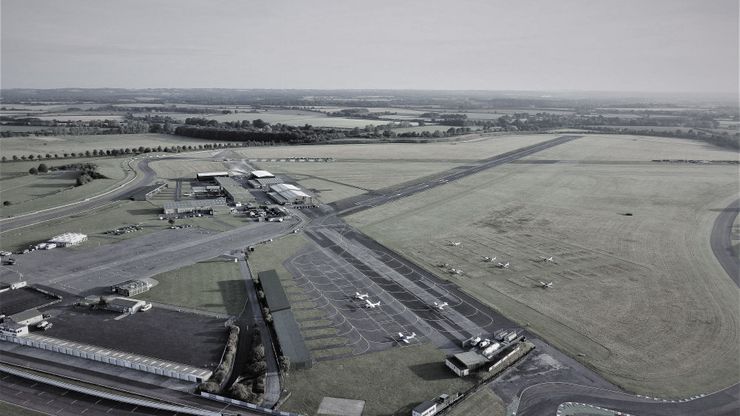
Thruxton Manor Estate was requisitioned by The Air Ministry in 1940 for the war effort, and RAF Thruxton's construction was completed in August 1941, serving initially as a satellite station to RAF Andover.
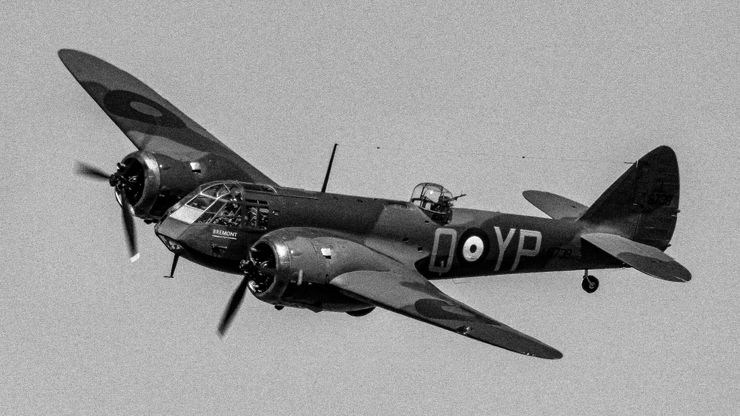
The first aircraft to test the new runway for suitability were Blenheims from neighbouring RAF Andover, however due to the roughness of the concrete landing surface (along with a few burst tyres!) this was abandoned, which prompted The Air Ministry to hasten a tarmacing programme. Officially the first occupants to be based here were the Lysanders and Hurricanes of No. 225 Squadron.
1942
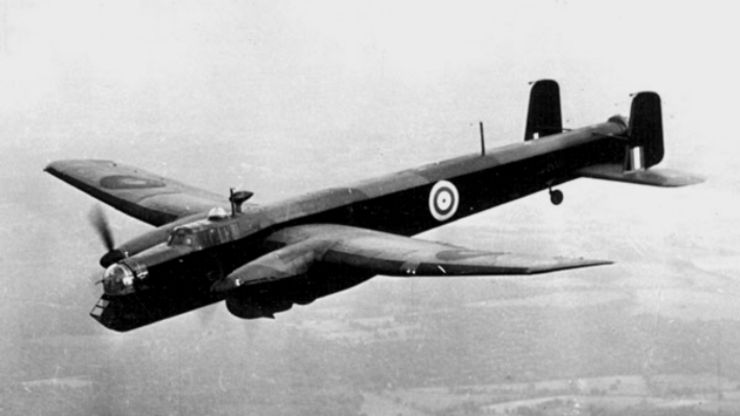
On the evening of the 27th of February 1942, 12 Whitleys took off from Thruxton carrying troops from the 2nd Parachute Battalion and a radar specialist. Their mission was to infiltrate German defences, locate the Würzburg Radar Station, and recover vital components critical to understanding enemy technology. The operation was a resounding success; the troops retrieved key radar parts and destroyed the station before safely reaching their rendevouz with the Royal Navy on the Normandy coast.
This mission, later known as the Bruneval Raid, provided a significant morale boost to Britain during a grim period in early 1942. The Allies had suffered a series of devastating setbacks, including the fall of Singapore on February 15th—the largest British surrender in history—and heavy losses during the Battle of the Java Sea on February 27th. Against this backdrop of defeats, the success of the Bruneval Raid demonstrated that Allied forces could strike effectively and achieve meaningful victories, even in the face of overwhelming challenges, cementing Thruxton’s position in history during this dark time for Britain.
1944
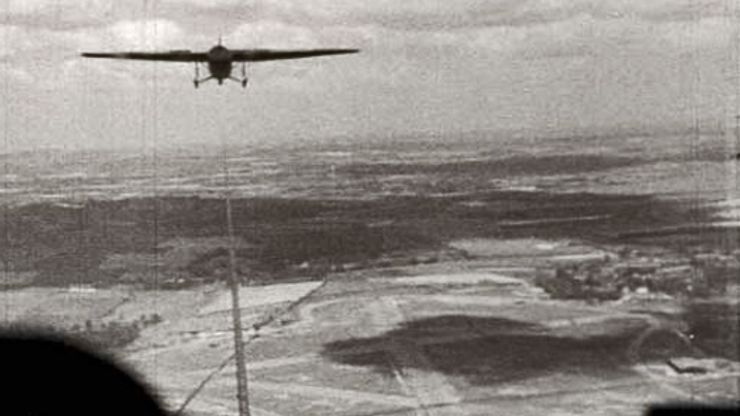
February 1944 saw the arrival of the P47s of the USAF 366th Fighter Group, who flew many missions over Belguim, France and Germany. Although the Americans were only here for around 5 months, they left a lasting impression on the local community, and until the late 1990s, we were very honoured to regularly welcome some of them back to Thruxton.
1947
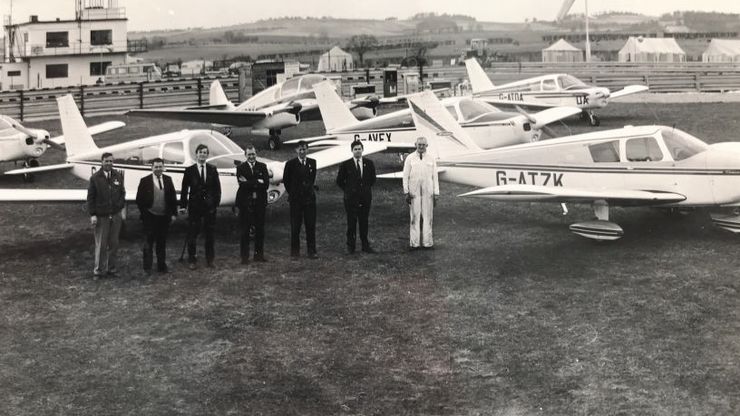
In 1947, Thruxton played host to The Wiltshire School of Flying, the first Civil operator to be based at Thruxton. During their time here, Wiltshire School of Flying's directors and engineers saw a commercial potential by re-designing the Tiger Moth aircraft to afford pilots and their passengers a bit more comfort (and warmth).
The re-design involved widening the fuselage and adding a modern canopy and in 1956 the Thruxton Jackaroo was born. A total of 19 Jackaroos were built here.
1950s
1950
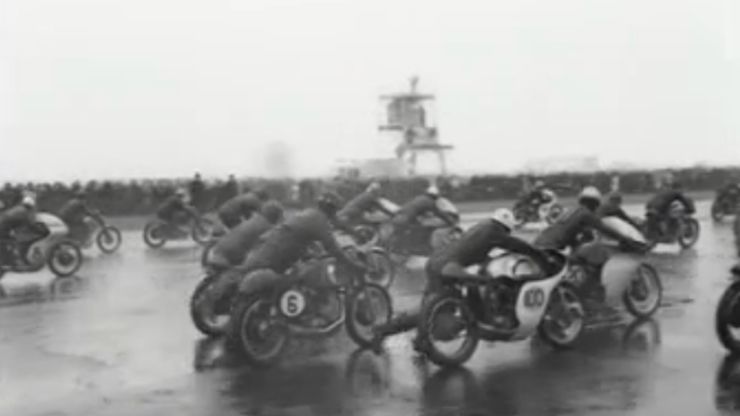
On Easter Monday in 1950, Thruxton’s pilots were joined by motor-cycle racers following the approval by the Auto Cycle Union for the site to be used for racing. The event took place on the runways and perimeter track and marked the beginning of competitive racing at the circuit.
1952
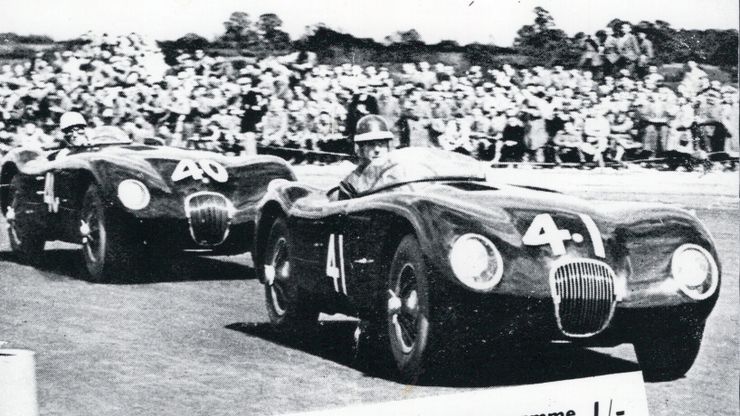
In 1952, Thruxton held its first car race during the August Bank Holiday weekend following the closure of Castle Combe due to an outbreak of foot and mouth disease.
Roy Salvadori won the closely contested Formula Two race in his Cooper T23
1958
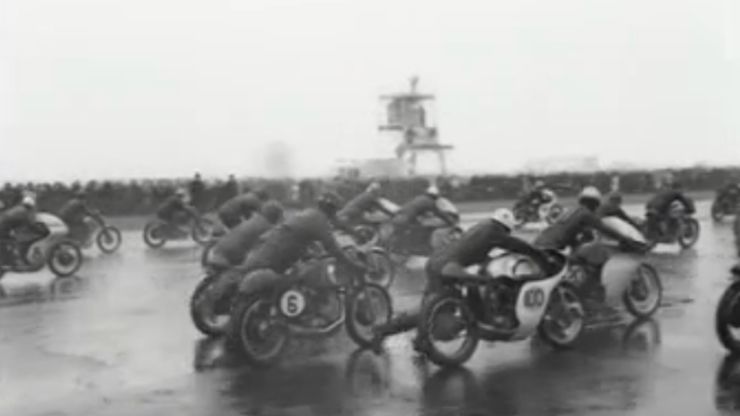
The Thruxton 500, a 500-mile endurance race, took place for the first time in 1958. The race featured a Le Mans start and saw riders racing into the night.
1960s
1967
In 1967, The Aerodrome was taken over by Western Air Training Ltd and its sister company, British Racing Circuits. The old perimeter track was resurfaced, and with the additional Chicanes and safety barriers added, the refurbished track opened for its first major race event in 1968.
1969
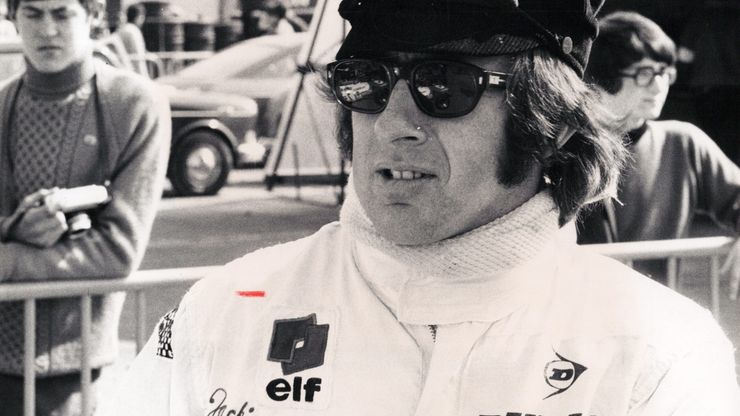
The legendary Jackie Stewart came second in his Formula 2 race.
1970s
1971
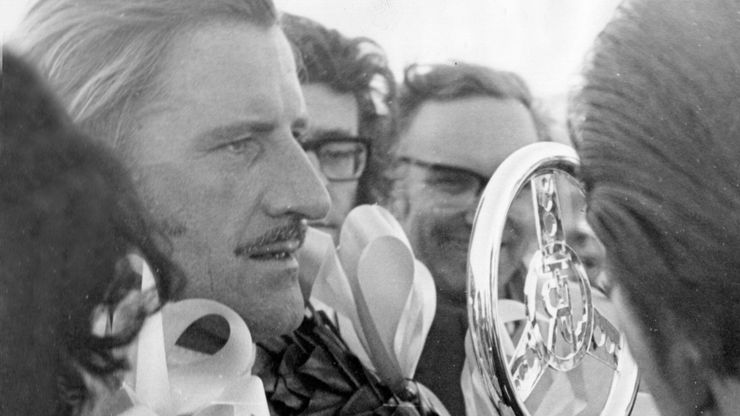
Both the iconic Graham Hill and the charismatic James Hunt competed at Thruxton in 1971. Hill’s experience and Hunt’s flair made for some exciting racing.
1972
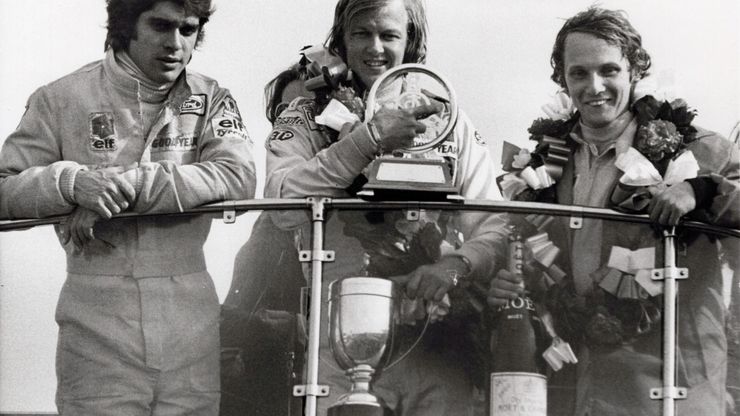
Niki Lauda also made his mark at Thruxton in 1972, racing in Formula Two. Lauda, who would later become a three-time Formula One World Champion, finished third to a triumphant Ronnie Peterson.
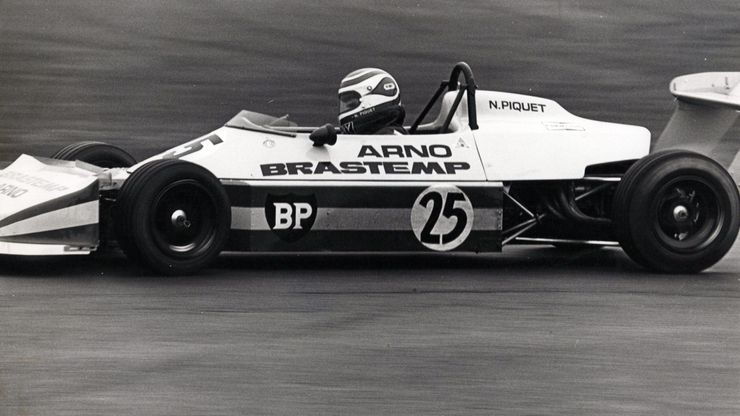
1978
The Brazilian driver Nelson Piquet, a future three-time World Champion, raced at Thruxton in 1978.
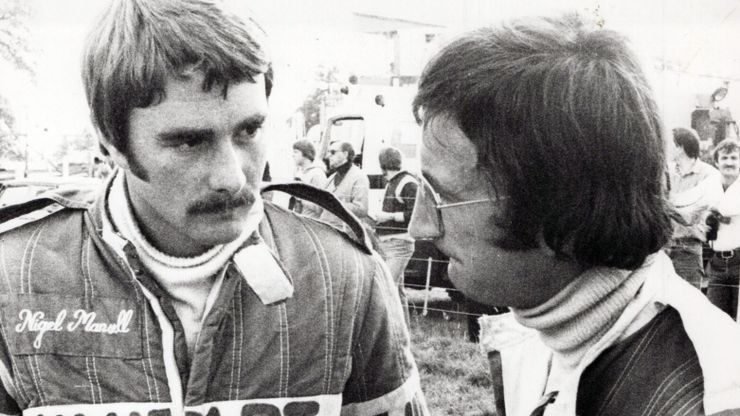
1979
British racing icon, Nigel Mansell, joined in the fun at Thruxton in 1979 but was forced to retire in the Formula Three.
Eddie Jordan managed to bring his March 793 home in 13th place.
1980s
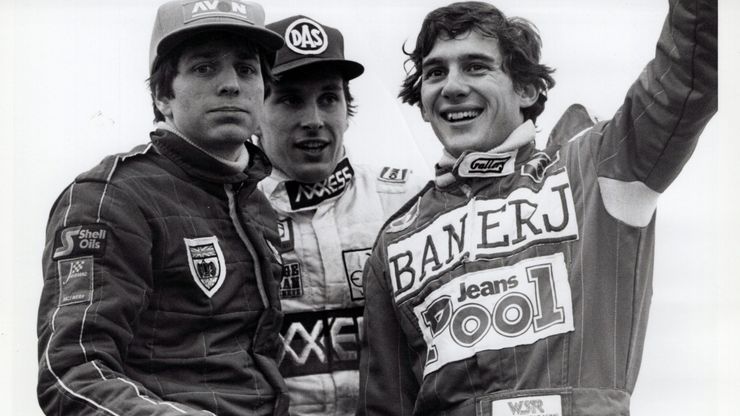
1983
Arguably the greatest Formula 1 driver of all time and a complete legend, Ayrton Senna, showcased his extraordinary talent at Thruxton in 1983.
2020s
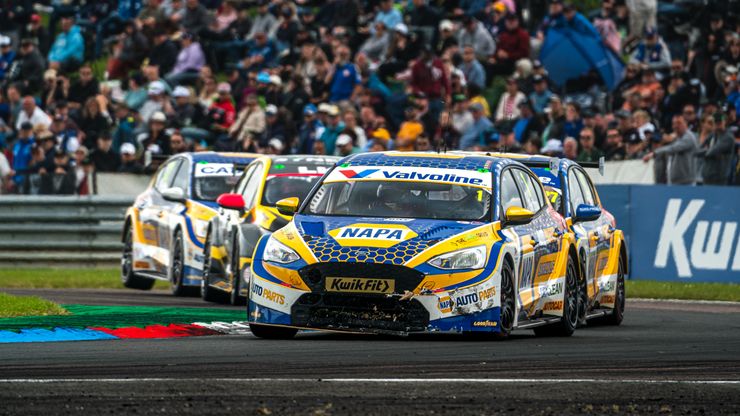
2024
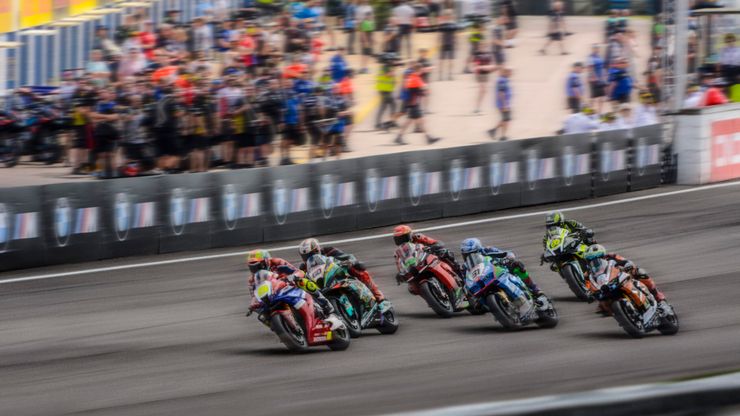
Thruxton now plays host to several racing championships including the high-profile British Touring Car Championship (BTCC) and British Superbike Championship (BSB)
The BTCC is one of the most popular motorsport series in the UK, featuring highly competitive touring cars.
Thruxton’s fast straights and challenging corners make it a favourite location for the championship.
2024
The BSB is the premier motorcycle racing series in the UK, featuring some of the best riders and teams in the sport. The championship’s close competition is magnified by the demands of Thruxton’s fast corners and elevation changes.